
That's what mosquito season actually feels like in Atlanta and Charlotte. If you're considering professional mosquito control, understanding when and why the season begins is the first step toward actually enjoying your outdoor space again.
What Triggers the Start of Mosquito Season
Mosquitoes don't follow a calendar. They follow temperature. Once nighttime lows consistently stay above 50°F, mosquitoes become active, start breeding, and build populations fast. Below that threshold, they go dormant or die off. Above it, the cycle begins again.
The important word there is "consistently." A warm week in February followed by a cold snap isn't the start of mosquito season. What actually matters is a sustained stretch of nights staying warm, usually paired with daytime highs in the mid-60s or above. That's when mosquito populations begin growing in earnest.
Additionally, standing water is what turns warm temperatures into a real problem. A bottle cap holds enough water for a mosquito to lay eggs. And the breeding sites people miss most often aren't the obvious ones like birdbaths. It's clogged gutters, the low corner of a forgotten tarp, the spot near a downspout that never fully drains. Treating your yard without addressing those spots is like fixing one leak while another one runs.
When Does Mosquito Season Start and End in the Southeast?
Georgia and the Carolinas sit in a climate zone where mild winters and early spring warmth create some of the longest mosquito seasons in the country. Atlanta regularly sees nighttime temperatures climb above 50°F in late February, and Charlotte isn't far behind. By April, conditions are often ideal for rapid population growth.
The season typically runs from March through October in most of the region, though warmer years push both ends of that window further out. November evenings in Atlanta can still produce noticeable biting pressure if temperatures stay mild.
The practical takeaway is that homeowners here don't have the luxury of waiting until summer to think about mosquito management. The population building in March and April is what makes June feel overwhelming.
When Is the Best Time to Start Mosquito Season Treatment?
Starting before populations peak is the core principle of effective mosquito management. For Atlanta and Charlotte homeowners, that means mid-March at the latest. Waiting until you're already getting bitten means you've allowed multiple breeding cycles to complete, and you're playing catch-up rather than staying ahead.
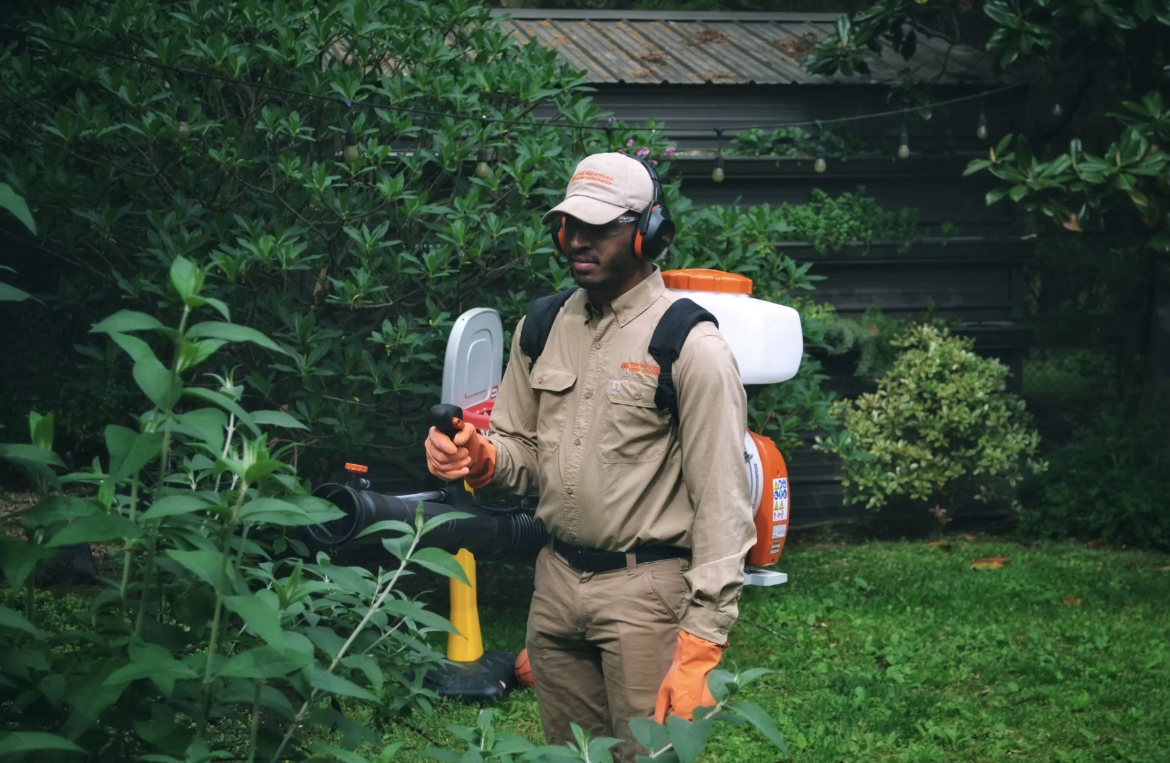
Barrier treatments applied to vegetation target mosquitoes where they actually rest, not just where they fly. The effectiveness of any mosquito control program depends heavily on how consistently those treatments are applied. Mosquitoes reproduce quickly, and adults can be replaced within days if treatment gaps are long enough. That's why The Backyard Care Company runs its standard service on a two-week schedule rather than monthly visits, and it's one reason mosquito control costs vary so much between providers. Tighter timing also lets us hold results with lower-toxicity products, which matters when kids, pets, and pollinators share the same yard. Longer gaps between treatments give populations time to recover, which undermines the progress made between visits.
Signs Mosquito Season Is Over (And When to Stop Treatments)
Mosquito activity drops off noticeably once nighttime temperatures consistently fall below 50°F. In most Northern states, that happens in October. In Atlanta and Charlotte, it often doesn't arrive until November, and mild years can push it even later.
The mistake is stopping treatment after one cool week in September that turns warm again. A final treatment in early October, after activity has clearly declined, addresses late-season populations before they have a chance to lay overwintering eggs. After that, the most useful thing you can do is habitat work: clear gutters, improve drainage in low spots, and remove anything that collects standing water. That fall preparation is what makes the early weeks of spring less of an uphill battle, especially when you have kids or pets who are back outside the moment the weather turns.
The goal isn't to wage a season-long battle against your yard. It's to stay one step ahead so your backyard stays comfortable and enjoyable from the first warm evening of spring to the last one in fall. If you're ready to get ahead of the season this year, get a free quote from us and let’s find the right approach for your yard.
Frequently Asked Questions
When is the best time to start mosquito control?
Start mosquito treatment before you see them in full force. Ideally, two to three weeks before temperatures lock in above 50°F in your area. Early barrier treatments hit adult mosquitoes in the shaded spots where they rest, before the population multiplies into the swarms that are much harder to knock back.
How long does mosquito season last?
Most of the country gets a peak window of four to six months, though location moves it a lot. In the Gulf Coast states and Florida, mosquito season can stretch close to ten or eleven months a year. In the Midwest or Northeast, it usually runs May through September. Around Atlanta and Charlotte, plan for March through October.
When do mosquitoes stop biting?
Mosquitoes stop biting once temperatures drop and stay below 50°F, usually by late October or November in most parts of the U.S. They don't die off entirely, many species overwinter as eggs or dormant adults and reactivate the following spring. The first hard frost is generally the clearest signal that biting season is done for the year.
How can I prevent mosquitoes in my yard?
Eliminating standing water is the single most effective step, birdbaths, clogged gutters, and even bottle caps collect enough water to breed mosquitoes. Beyond that, keeping grass trimmed short and treating dense vegetation with a barrier spray removes the shady resting spots mosquitoes rely on during the day. Combining source reduction with a consistent treatment schedule throughout mosquito season gives you the best results.